I’m buying a horse
Questions to ask, legal requirements and transport before you decide.


Twelve research-based features on welfare in everyday life – from law and feed to mental health, transport and end of life. Read the whole series or follow a reading path that matches your situation.
Start here · Flagship
Horses evolved to eat for 16–18 hours a day – competition horses in boxes may spend only around 15% of their time eating.
Something is shifting in stable aisles, at riding schools, and around the trotting tracks and racecourses of Sweden and the wider world.
Read the manifestoChoose a path that matches your situation – each link leads to articles in the recommended order.
Questions to ask, legal requirements and transport before you decide.
Retirement, weight, mental stimulation and quality of life over time.
Welfare in sport, transport and mental load.
Framework, legislation and why horse welfare is an industry issue.
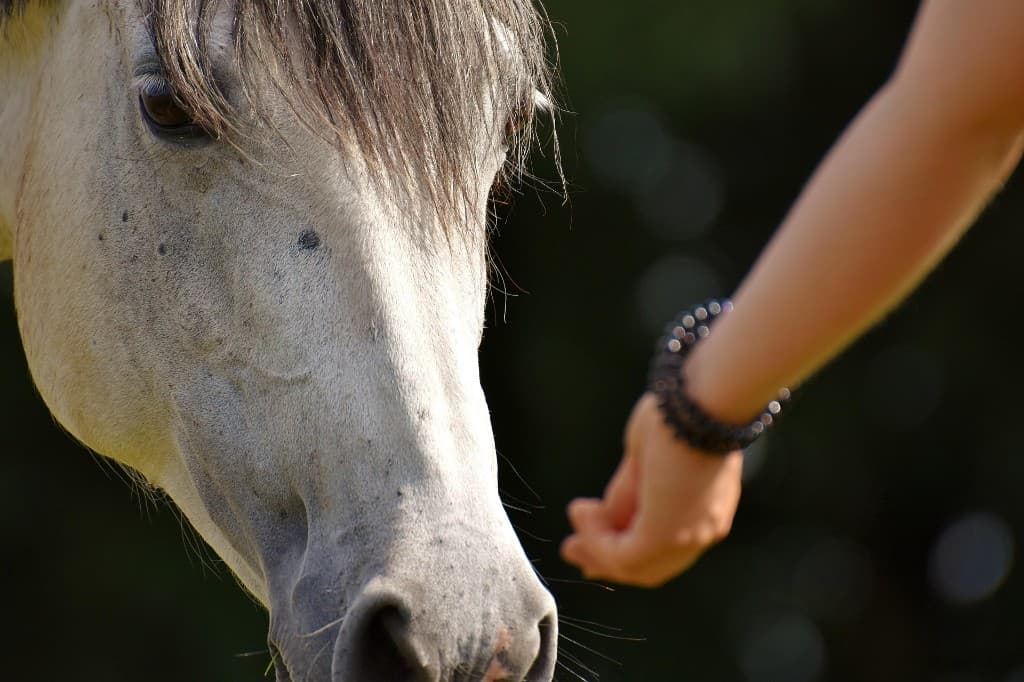
Something is shifting in stable aisles, at riding schools, and around the trotting tracks and racecourses of Sweden and the wider world.
Read article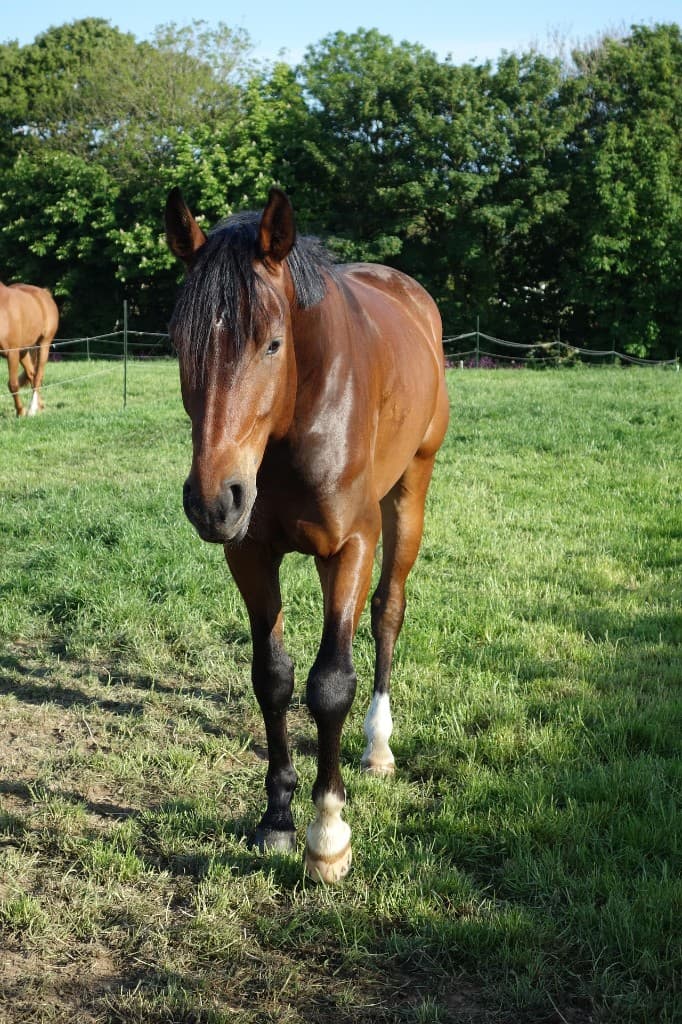
Sweden is often described internationally as a leader in animal protection.
Read articleFeed, environment, teeth, parasites and metabolic health issues.
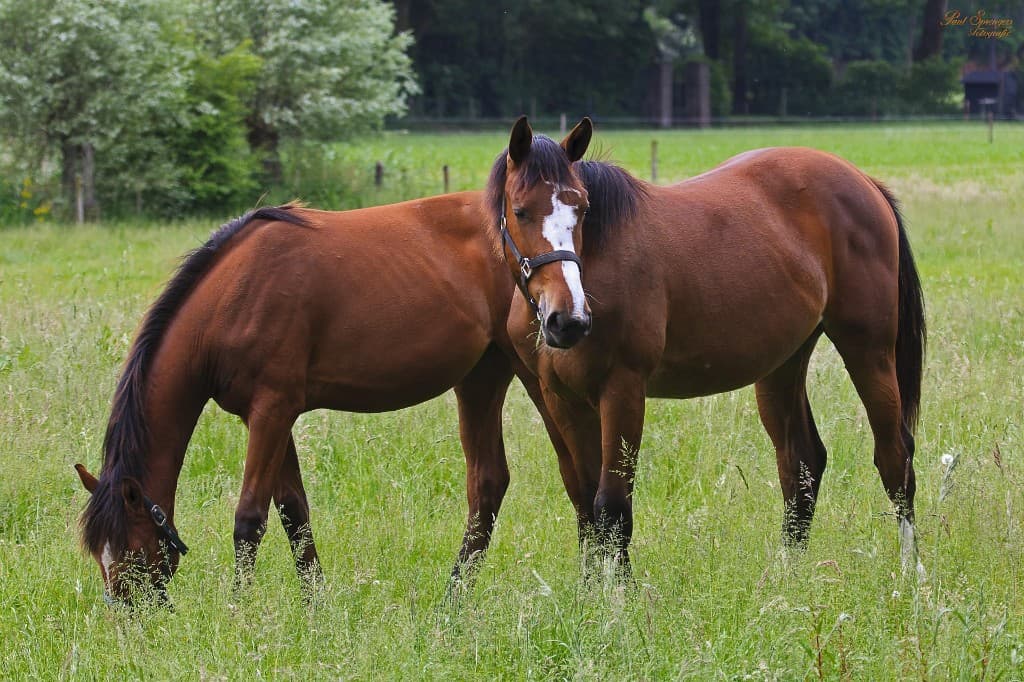
Behaviour can be hard to read; the horse's body is often clearer.
Read article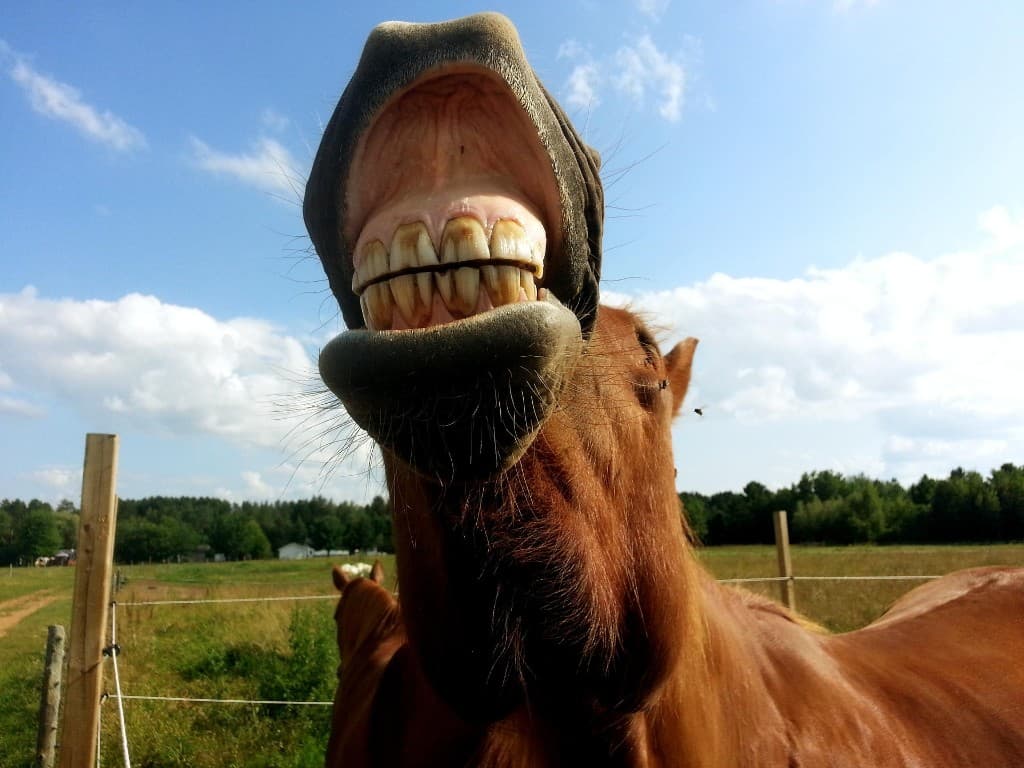
Dental disease and gut parasites are among the most underestimated health problems in the horse – partly because they rarely show on the outside, and partly because the signs are easily put down to something else.
Read article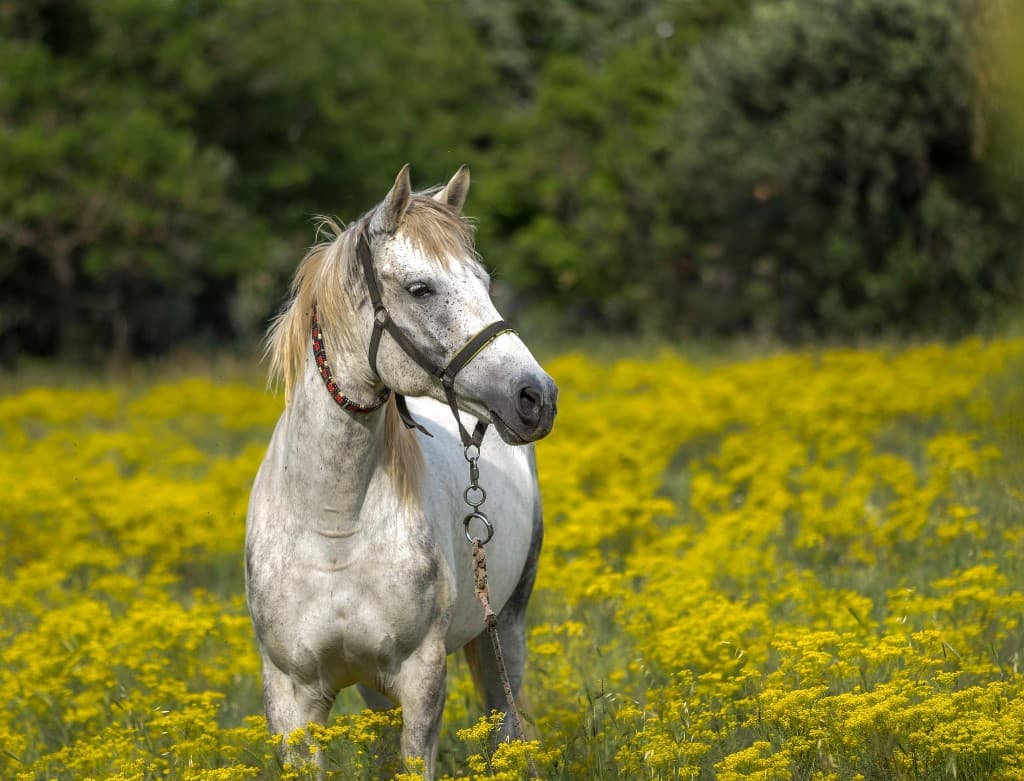
As the horse's role has shifted from work animal to leisure and companion animal, overweight has become one of the most common health problems in the domesticated population.
Read articleMental health, weaning and ageing horses.
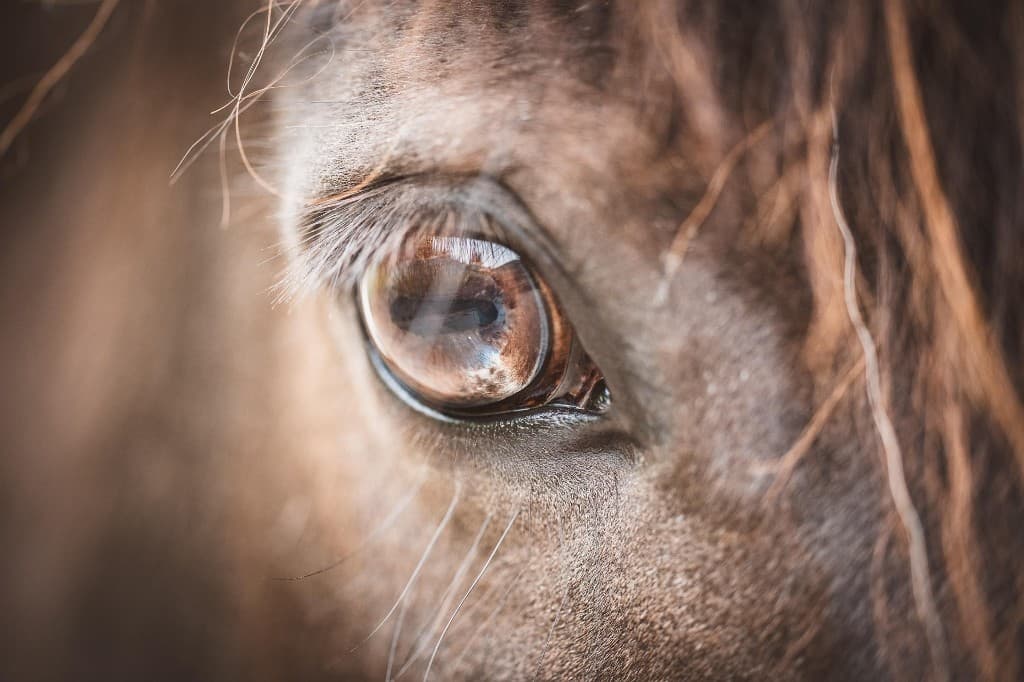
The horse is a prey animal, shaped by evolution to hide weakness.
Read article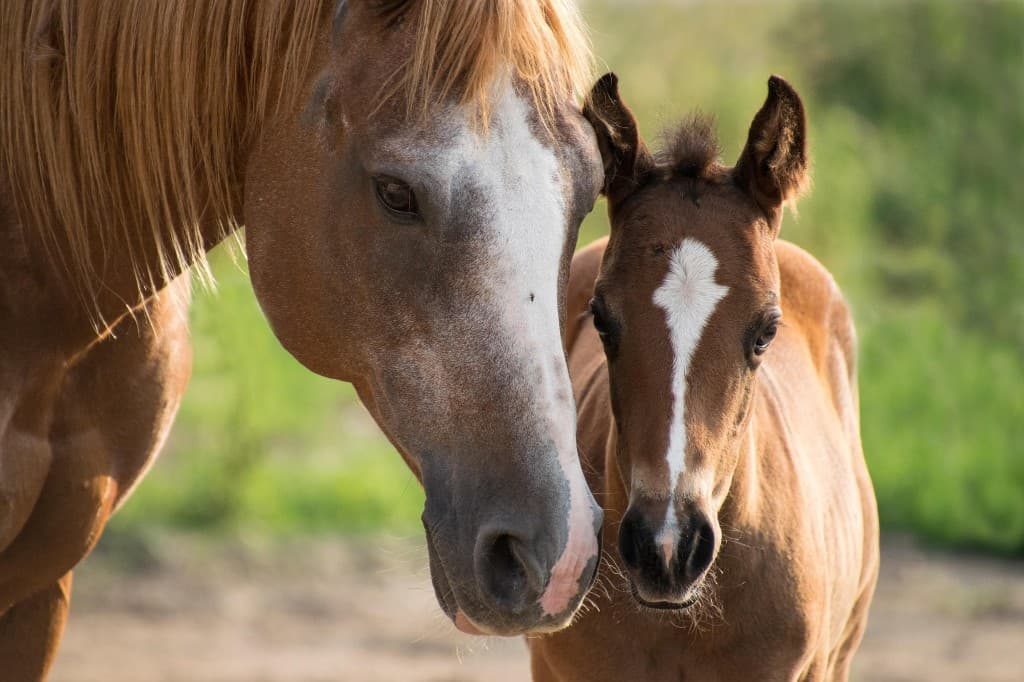
Weaning – the separation of mare and foal – ranks among the most momentous events in a horse's life.
Read article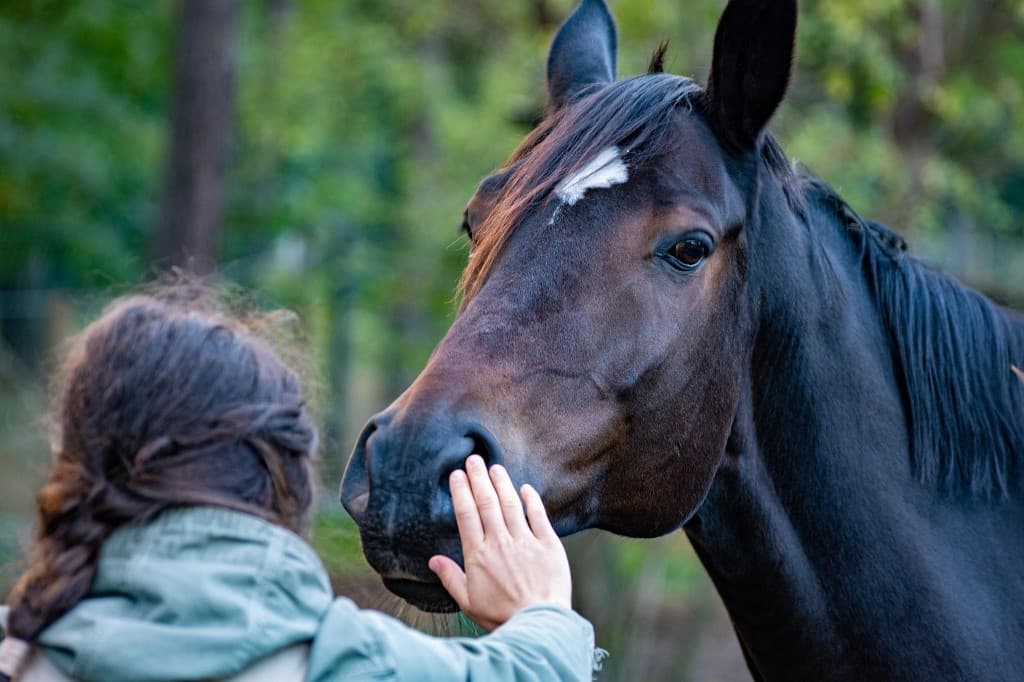
The share of older horses in the horse industry is steadily rising.
Read articleCompetition, transport, breeding and end of life.

Few settings put the horse-welfare question so sharply as competitive sport.
Read article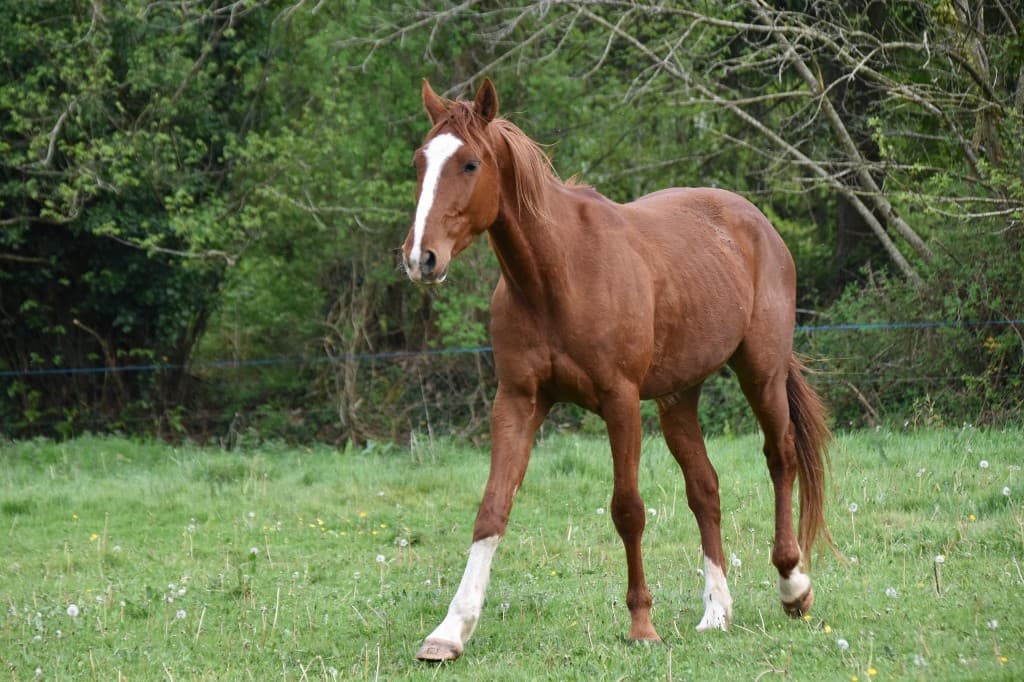
Horses are transported often, and sometimes over very long distances – to competitions, for breeding, at a change of owner, or to slaughter.
Read article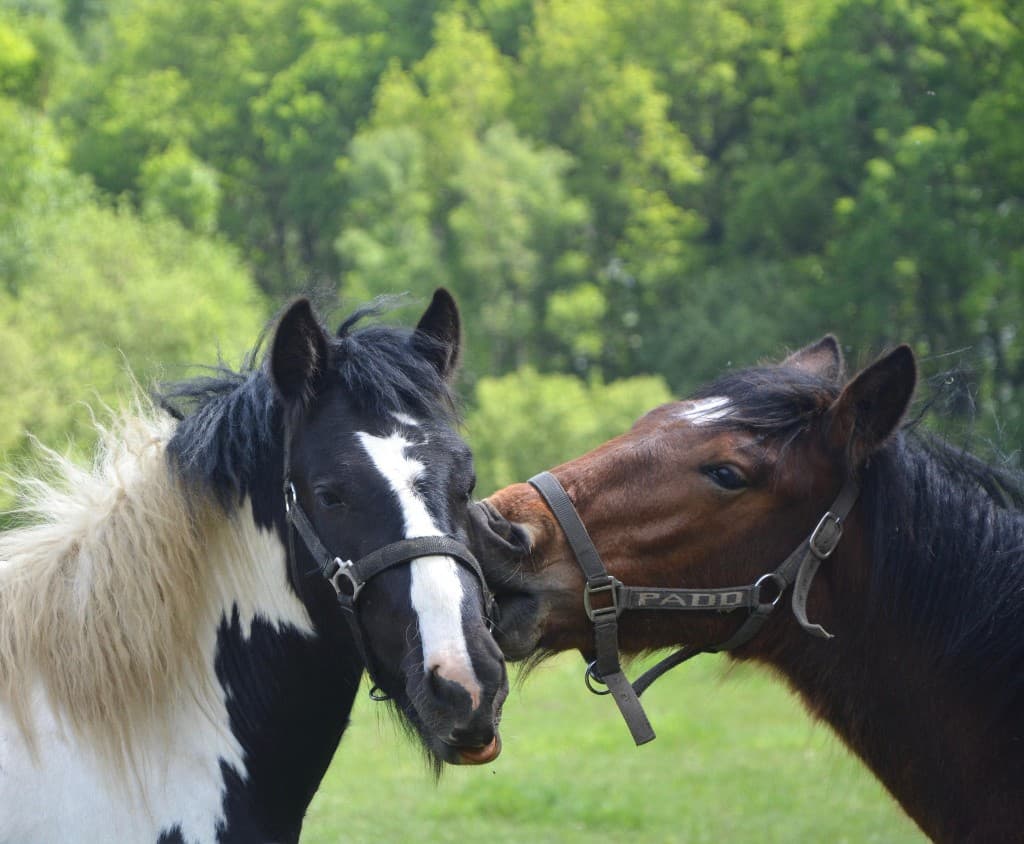
Although breeding is the foundation of the whole horse industry, research on welfare in the breeding sector is relatively limited.
Read article
What happens to horses that can no longer, or should no longer, live on? In Sweden most are euthanased at home or at a clinic – only a fraction are slaughtered for food.
Read article