
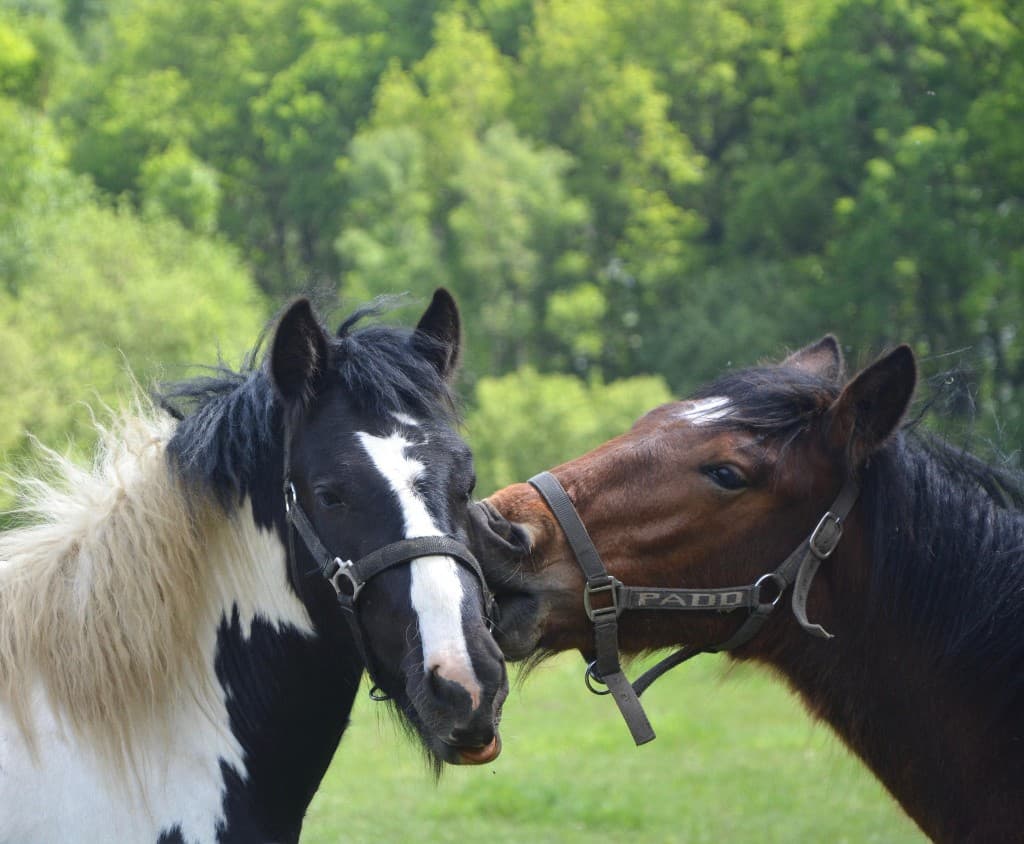
Although breeding is the foundation of the whole horse industry, research on welfare in the breeding sector is relatively limited.
Although breeding is the foundation of the whole horse industry, research on welfare in the breeding sector is relatively limited. A major literature review notes that breeding is defined as the processes up to conception, pregnancy, and the management of stallions, broodmares and foals through to weaning – and that the work of identifying and limiting negative welfare effects in this part of the chain is still developing.
A broad survey among members of the World Breeding Federation for Sport Horses identified three principal welfare priorities through the breeding cycle: freedom for the breeding animals, and the care of foals, youngstock and young horses as they grow – based on interviews, systematic literature reviews and focus groups with people in the industry.
The reproductive process itself can be a significant stressor. A review of the evidence concludes that stallions and mares are regularly exposed to stressful experiences and procedures around breeding, which can affect their own performance and predispose the coming foal to adverse health and behavioural outcomes.
How young horses are kept clearly affects the risk of behavioural problems later in life. A four-year study of 225 young Thoroughbreds and part-bred Thoroughbreds found that abnormal behaviour affected 34.7 per cent of the population, and that foals of lower- or mid-ranking mares were less likely to develop such behaviour – a result that points to social hierarchy and group dynamics playing a substantial role.
Group composition has also proved decisive for calm and harmony in the herd. A substantial study of Icelandic horses in groups found that levels of aggressive behaviour were particularly low in breeding groups with a single stallion present, that the horses were less aggressive in groups with young foals and where group membership was stable, while unfamiliar yearlings in same-age groups were particularly aggressive towards one another.
Weaning marks a decisive break. A research review concludes that partial, gradual weaning techniques are the least stressful for the foal compared with total and abrupt weaning, and that an adequate intake of supplementary feed before weaning begins can reduce weaning stress considerably, regardless of which weaning method is used.
Physiological studies confirm the pattern. A study measuring cortisol and inflammatory markers in foals at a trotter stud found that cortisol levels stayed stable when a protocol of gradual separation and social support from familiar adult horses was followed, suggesting that the method can reduce weaning stress. Another study concluded that abrupt weaning has proved more stressful than gradual weaning in which the foals are allowed to keep scent, sight and sound of the mare.
A change of place appears to intensify the stress further. Research has shown that staggering weaning and a move to a new yard – that is, not doing both at once – has a more negative long-term effect on the foals than if both events happen together.
At Hästannons we believe welfare and responsible ownership belong together – whether you buy, sell, breed or ride. Read on in the series, and in our practical guides.
Stallions, mares and foals are exposed to stressful routines that can affect both the breeding animals and the development of the offspring.
Yes – a stable group composition and social contact reduce aggression and the risk of behavioural problems later in life.
Gradual separation with contact with the mare, enough feed before weaning, and company with other foals afterwards.