
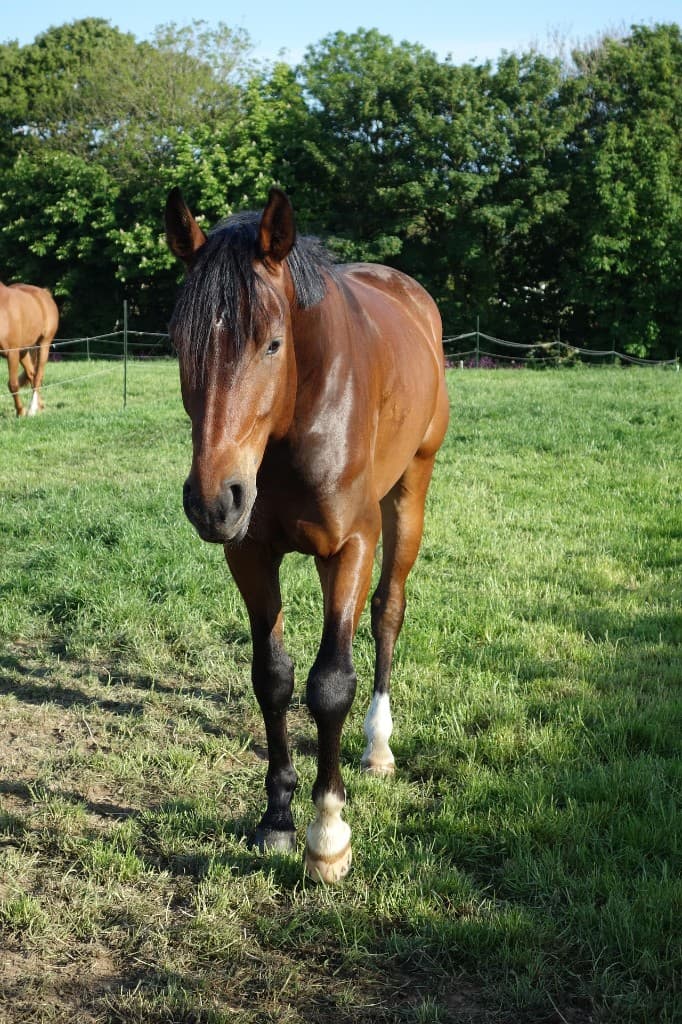
Sweden is often described internationally as a leader in animal protection.
Sweden is often described internationally as a leader in animal protection. A research review of 30 years of legislative change finds that the overall level of protection for cattle, pigs and horses rose over the period studied – yet a number of specific requirements were still relaxed in those same years, to improve the competitiveness of the industries concerned.
The Swedish animal-welfare statute still sets a clear baseline. According to an international survey of Swedish law, Djurskyddslagen (the Swedish Animal Welfare Act, 2018:1192) prohibits overexertion, striking animals, or driving them with implements that can injure them, and all equipment must be used in a way that does not cause suffering or injury. The Act also requires that housing give animals adequate protection, and space to move freely and rest properly. Businesses are under a further duty: anyone who keeps, breeds, brokers or sells horses professionally or on a large scale, who takes horses in for keep or livery, or who uses horses in a riding school, must hold an operating permit (verksamhetstillstånd).
At EU level there is a basic recognition that animals can feel. Under the current treaties, Article 13 of the Treaty on the Functioning of the European Union requires Member States to pay full regard to animals' welfare requirements when formulating and implementing Union policy on agriculture, fisheries, transport, research and technological development.
Even so, there is in practice no comprehensive EU legislation specifically for equids. A briefing from a Swedish animal-welfare organisation puts it bluntly: there is no legislation for equids, and it argues that such law must be introduced. The same report points to concrete consequences of that gap: horses collapse after being deprived of rest, water and regular feeding, and the organisation argues that the equipment used on horses ought to be regulated in a way current rules do not.
Unlike everyday horse-keeping, transport is an area with clearer EU rules. A review by the EU's food-safety authority, EFSA (the European Food Safety Authority), shows the scale: on average around 170,000 horses were moved between EU Member States each year in 2019–2021, across all modes of transport, with road accounting for 85 per cent of the total.
The authority has also identified shortcomings in the existing rulebook. A summary of the research notes that current recommendations for minimum floor area in transport vehicles are inadequate, and that clear guidance on optimal waiting times at slaughterhouses is lacking – which points to a continuing need for the rules to be developed at EU level.
In Sweden the rules are more detailed, but also split between several authorities. Our guide Horse transport in Sweden: rules and permits walks through the whole chain in practical terms: transporter authorisation, professional haulage, driving licences and insurance.
Much of the EU legislation that does exist for horses concerns disease control and trade rather than welfare as such. Movement of equids between Member States is governed among other things by Council Directive 2009/156/EC on animal health conditions governing the movement and importation from third countries of equidae – a regime aimed at disease control rather than at the horse's general well-being.
The picture that emerges is a patchwork: national law such as Sweden's animal-welfare statute gives a certain baseline of protection; the EU treaties recognise animal sentience in principle; transport rules exist but are judged inadequate by the EU's own expert authority; and a coherent, horse-specific welfare law at EU level is entirely missing, according to several animal-welfare organisations.
At Hästannons we believe welfare and responsible ownership belong together – whether you buy, sell, breed or ride. Read on in the series, and in our practical guides.
The Act prohibits equipment and handling that cause suffering, requires adequate protection and space to move, and requires an operating permit for larger horse businesses.
The EU recognises animal sentience in the treaties, but comprehensive horse-specific welfare legislation is missing – transport and disease control are regulated more than everyday keeping.
Learn the rules in force, set requirements when you buy and when you take a livery place, and aim for practice that goes further than the minima.